A viral social media video featuring a large patriotic crowd alongside the provocative phrase "Americans Only" has ignited a fierce national conversation regarding political messaging, national identity, and citizenship. The digital post, which blends religious appeals with explicit America-first rhetoric, has rapidly circulated across multiple online platforms, drawing millions of views and polarized reactions from voters nationwide.
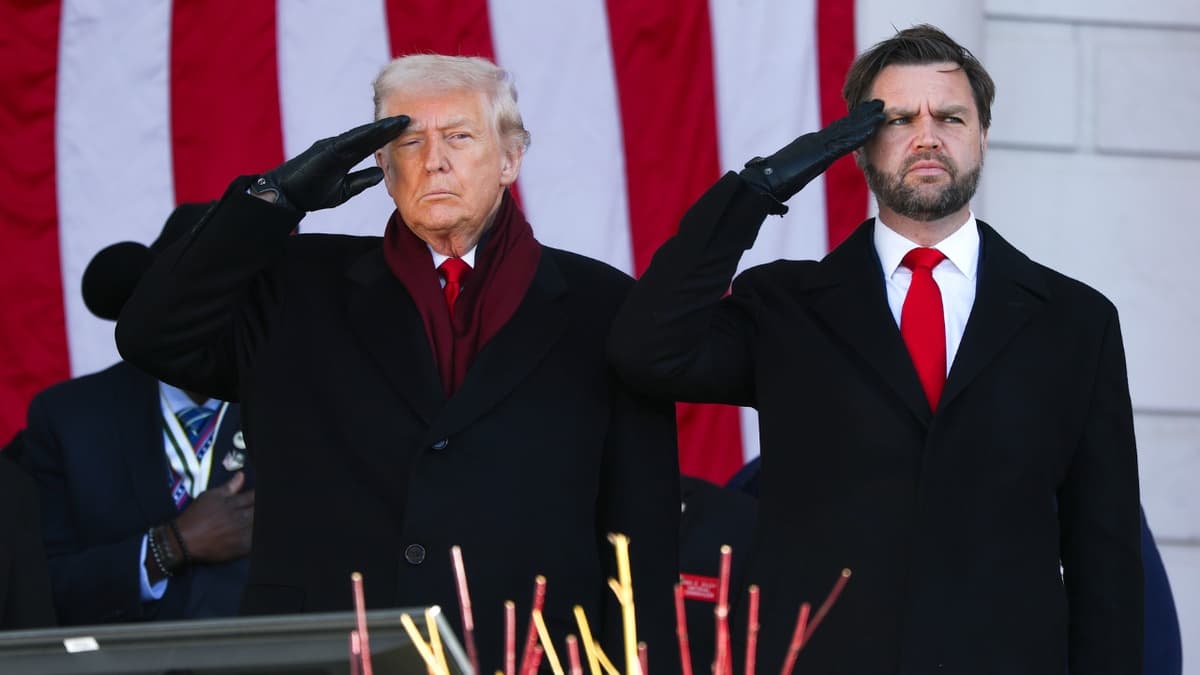
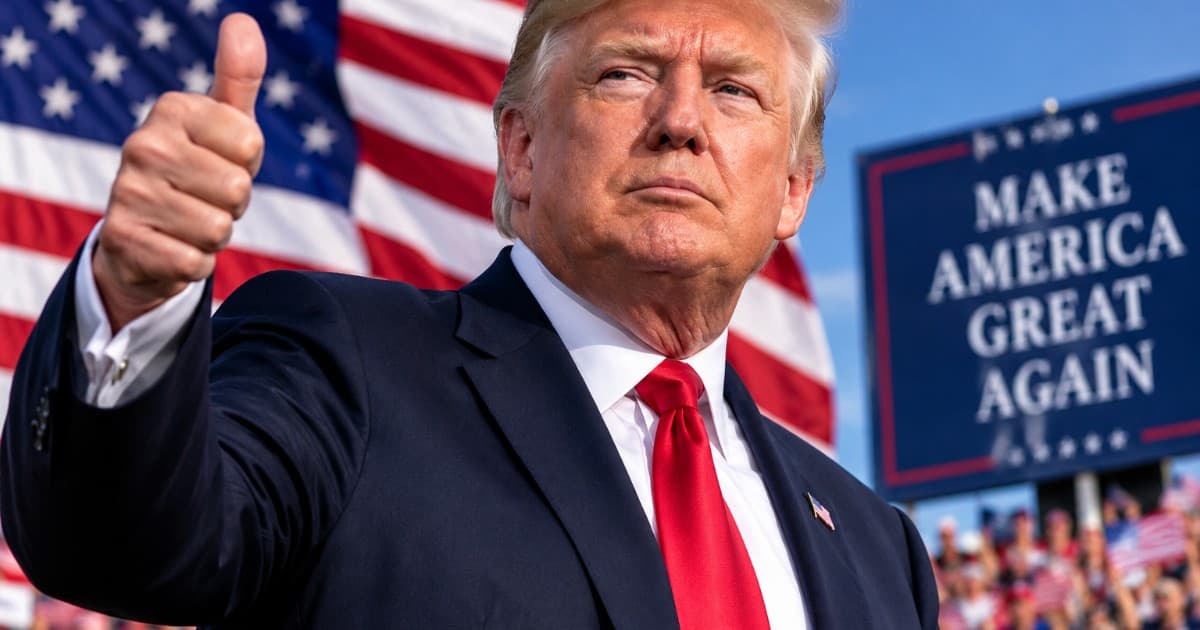
The circulating content specifically calls on conservative supporters to rally behind former President Donald Trump's leadership while emphasizing a strict nationalist framework. While the digital material does not represent any formal government enactment or official policy announcement from federal authorities, it functions as a potent piece of grassroots political campaigning as the country looks toward upcoming electoral cycles.
Discussions surrounding nationalism, border enforcement, and the legal status of citizens have long served as central pillars of modern American conservative politics. The intersection of faith-based rhetoric and hardline immigration stances has historically mobilized core voting blocs, shaping legislative priorities around national security, economic protectionism, and civic participation over the past decade.
Political analysts note that the deployment of exclusionary language in digital campaigning is a calculated strategy designed to energize dedicated supporters while simultaneously provoking opposition. This latest viral phenomenon mirrors broader historical debates over who qualifies for state resources and social protections within a globally connected society.
According to independent analyses of digital media trends, public figures and advocacy groups have offered sharply divergent interpretations of the post's core message. Supporters argue that prioritizing native-born or naturalized citizens in government spending, job allocation, and welfare programs represents a fundamental duty of domestic leadership, rather than an act of exclusion.
Conversely, critics contend that phrasing like "Americans Only" intentionally blurs the line between legitimate border management and broader xenophobia. Observers argue that such ambiguous political slogans risk deepening social divisions and creating widespread confusion regarding official civic rights and ongoing immigration reforms.
As the political landscape shifts toward the 2026 midterm elections, the resonance of such viral messaging underscores the enduring volatility of cultural and economic identity in the United States. Media watchdogs and political strategists alike expect digital campaigns to increasingly leverage polarizing rhetoric to mobilize polarized electorates.
Moving forward, federal legislators and campaign organizers will likely navigate the fallout from these digital trends as debates over public speech, online verification, and national cohesion intensify. Civil society organizations are calling for increased digital literacy to help voters distinguish between verified policy changes and viral political advocacy.