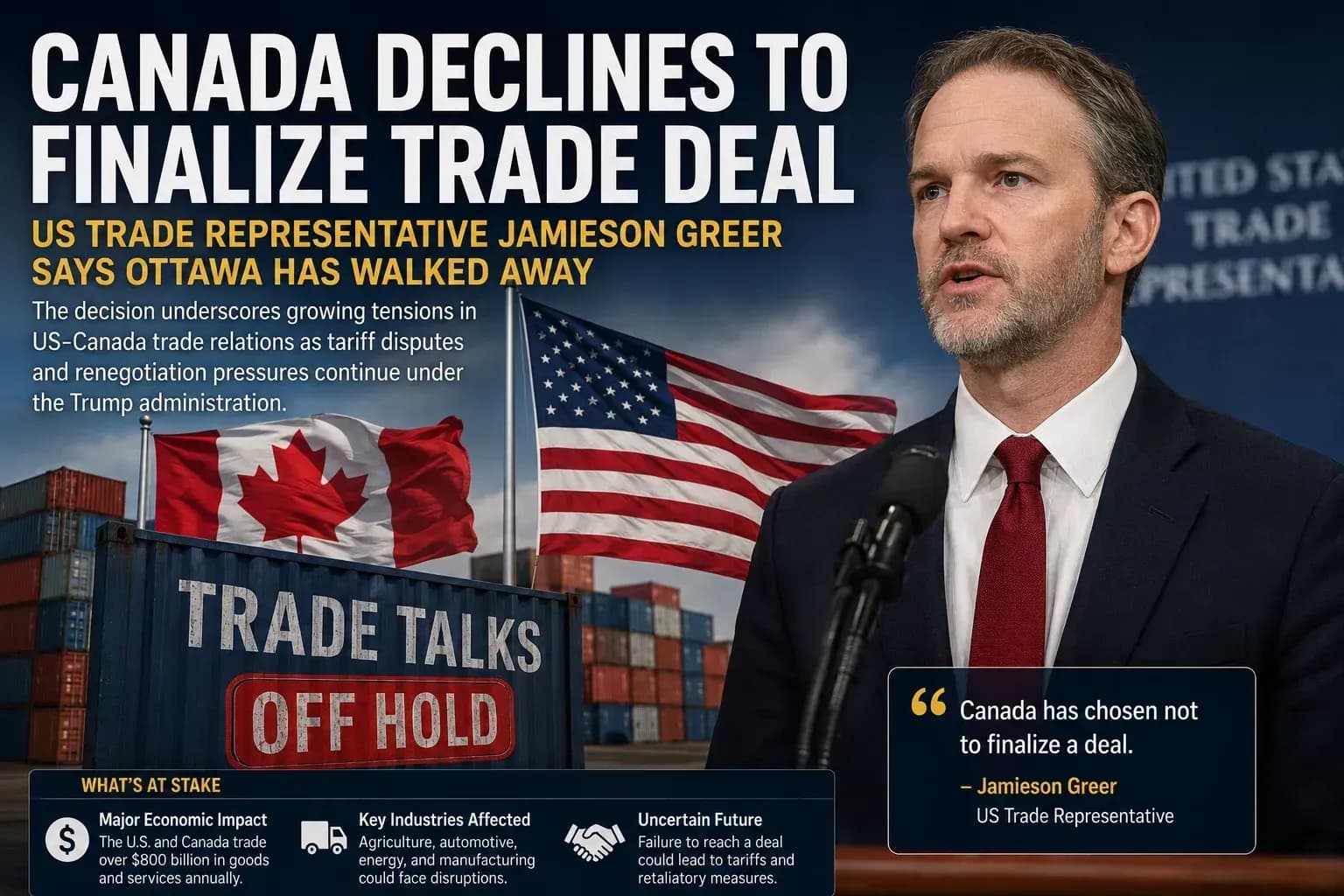
Ottawa is preparing a robust retaliatory package targeting American imports after the White House implemented steep fifty percent levies on approximately twenty billion dollars worth of Canadian commodities. The economic counter-measures, which Ottawa intends to match on a strict dollar-for-dollar basis, are scheduled to officially take effect next month following the abrupt breakdown of bilateral trade discussions.
The escalation materialized after a final three-day extension granted by President Donald Trump expired without a formal trade agreement. Negotiators from both sides failed to bridge fundamental policy gaps during the eleventh-hour talks, clearing the path for the implementation of the unprecedented duties and immediate international economic fallout.
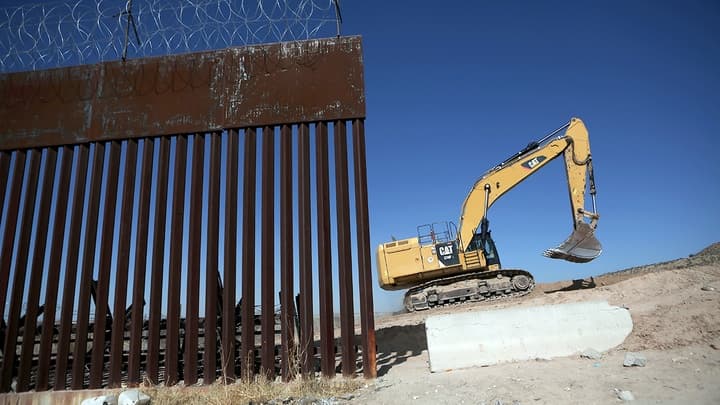
This ongoing friction represents a significant escalation in longstanding disputes involving cross-border automotive manufacturing, timber, steel, and aluminum supply chains. The two neighboring nations have navigated various trade disagreements historically, but the current standoff introduces a level of protectionism not witnessed in decades between the close trading partners.
Intertwined industrial supply chains mean that businesses operating on both sides of the northern border face the immediate prospect of soaring operational expenses. Industry analysts warn that integrated manufacturing sectors, particularly automotive and construction, will absorb the heaviest initial shocks from the sudden tariff barriers.
Prime Minister Mark Carney asserted that his administration stands fully prepared to defend domestic workers and key industries against what officials characterize as unwarranted and aggressive trade pressures from Washington. Government briefings emphasize that the planned retaliation aims to mirror the exact economic friction inflicted on Canadian exporters.
Conversely, the White House defends the protective duties as a necessary mechanism to rectify persistent commercial imbalances and address trade practices that American officials argue disadvantage domestic enterprises. Public statements from Washington indicate a firm stance on utilizing economic leverage to secure favorable terms.
As the scheduled implementation date for Canada's counter-measures approaches, market observers are closely monitoring whether diplomatic channels will reopen to avert a full-scale trade war. Persistent high tariffs threaten to elevate consumer prices and disrupt vital commercial corridors across the region.
The unfolding situation carries profound implications for North American economic integration and sets a precarious precedent for future bilateral agreements. Unless diplomatic breakthroughs occur swiftly, the compounding duties threaten to trigger a prolonged cycle of protectionist escalation.