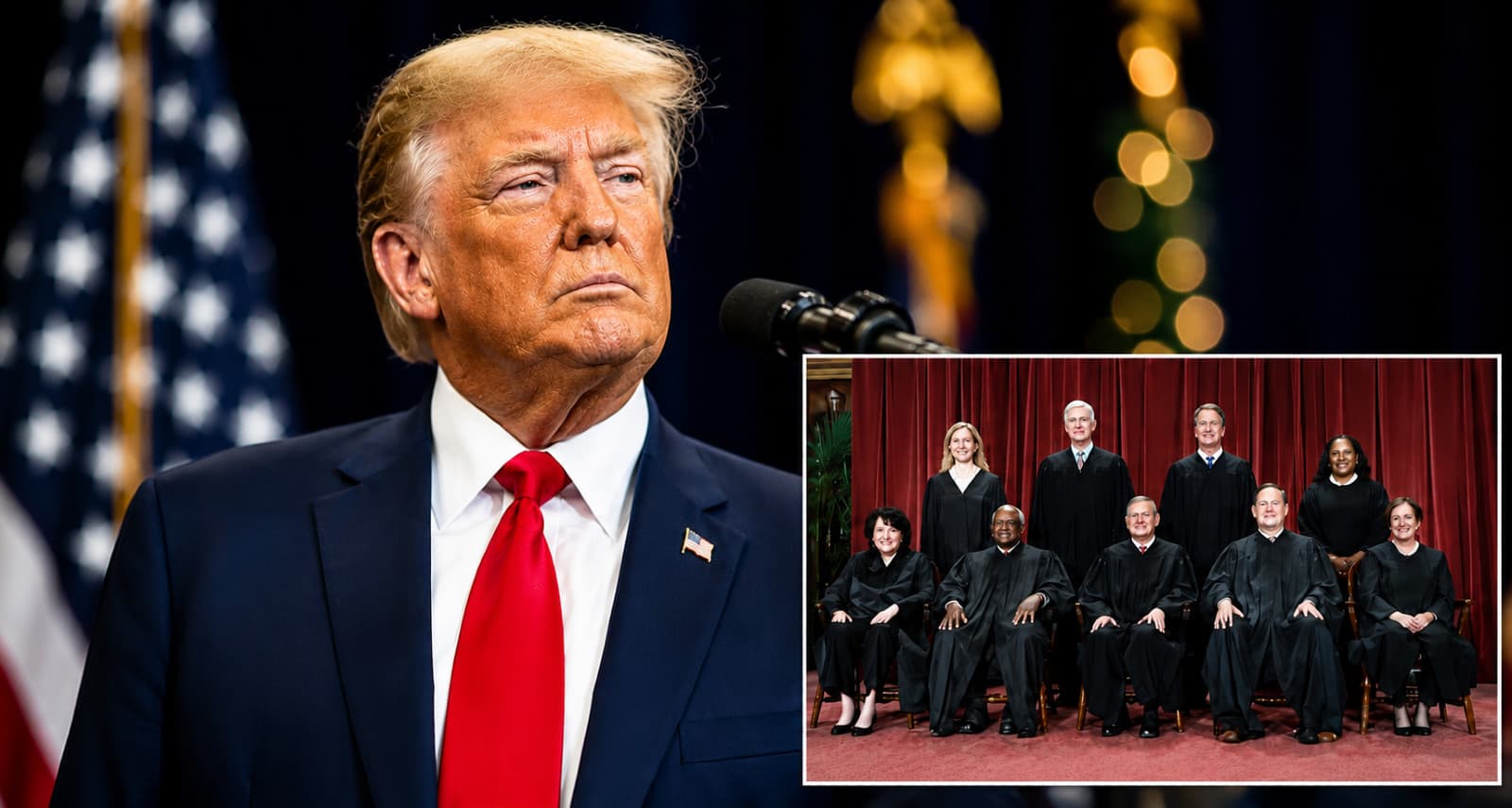
The U.S. Supreme Court delivered a unanimous ruling, reversing a federal appeals court decision on public speaking restrictions for immigration judges. This outcome marked a significant legal victory for the Trump administration, effectively dismissing a lawsuit by the judges' association. The high court's unsigned order reinstated a lower-court decision, upholding a Justice Department policy.
The controversial Justice Department policy requires judges to obtain official approval before participating in public speaking engagements related to their professional duties. This specific decision was part of a dynamic day at the Supreme Court, characterized by several notable rulings, as widely reported by news organizations.
The immigration judges' association had vigorously argued that this departmental pre-approval requirement violated their First Amendment rights. They contended that such policies unduly restricted their freedom of expression concerning their professional roles, inhibiting open dialogue on important legal and policy matters.
This legal challenge initially progressed through lower courts, with the Fourth Circuit Court of Appeals siding with the judges, affirming their First Amendment claims. However, the Supreme Court's recent intervention explicitly reversed that appellate court's stance, thereby aligning with the initial lower-court dismissal.
While specific official statements from the Justice Department were not immediately available, the Supreme Court's ruling unequivocally reinforces the government's authority to regulate employees' public discourse, particularly within professional capacities. This decision sets a clear precedent for internal agency policies.
As observed by FirstAmendmentWatch.org, this action highlights the complex balance between public employees' constitutional speech rights and the government's operational imperatives. The ruling represents one of several decisions for the Trump administration on a day of mixed judicial outcomes, as noted by the BBC.
This ruling has significant implications for federal agencies, potentially enabling them to reinforce policies controlling their employees' public communications, especially those in sensitive governmental roles. It could reshape future discussions on free speech protections for public servants and the interplay with institutional decorum.