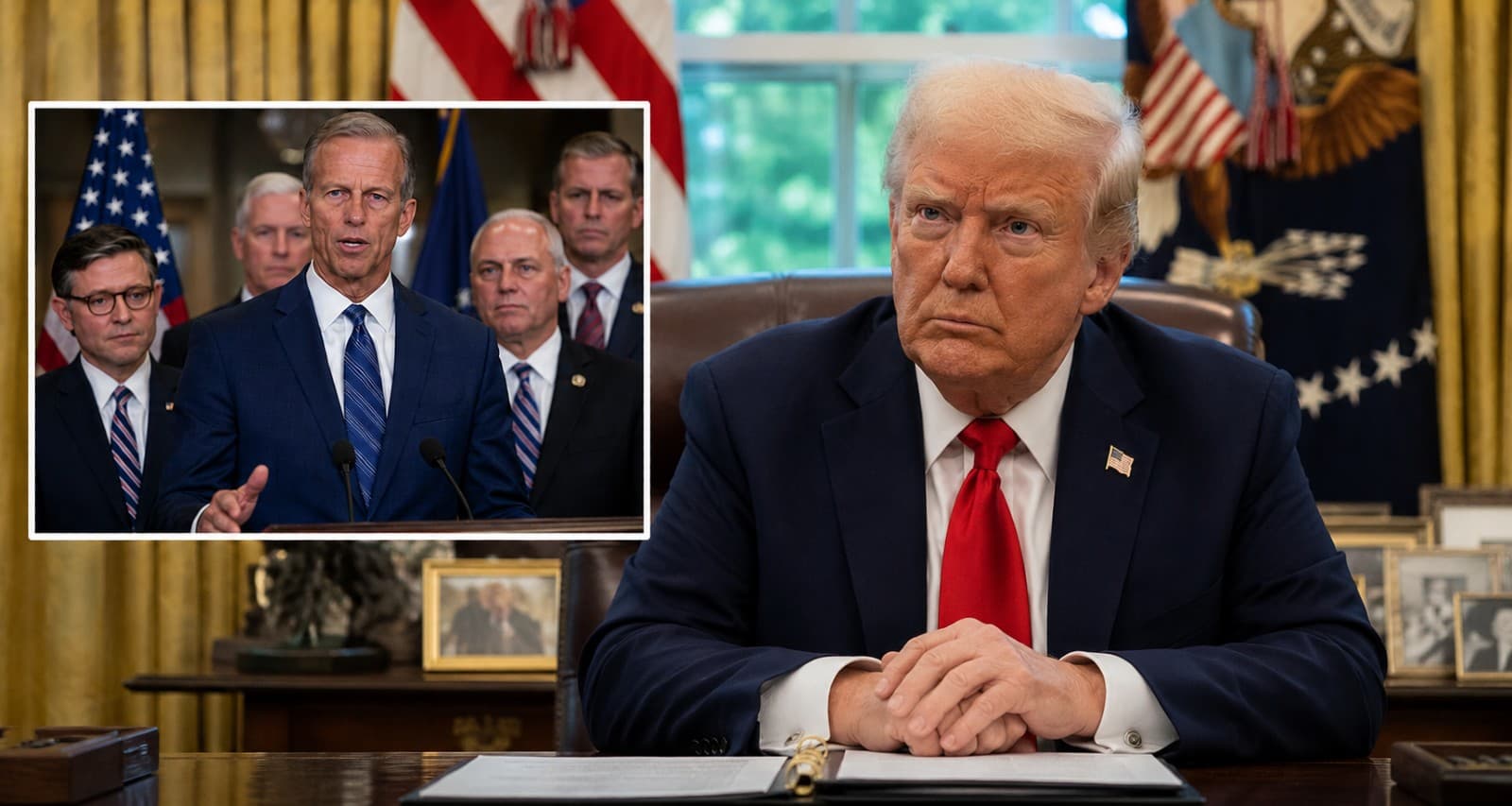
President Donald Trump’s legislative initiative to eliminate America’s twice-yearly clock adjustments has encountered significant resistance from Republican senators. Despite passing the House of Representatives by a decisive 308-117 margin, the proposed Sunshine Protection Act stalled in the upper chamber before lawmakers departed Washington ahead of upcoming midterm elections.
The legislative impasse effectively halts immediate efforts to reform federal timekeeping standards. Senate leadership opted against scheduling a floor vote on the measure, ensuring the proposal remains dormant until lawmakers return to Capitol Hill following the conclusion of the electoral cycle.
The debate over ending seasonal time changes revives a years-long legislative struggle to establish permanent daylight saving time. Current federal regulations require the nation to advance clocks in March and revert them in November, a practice originally codified to conserve energy and extend evening daylight during warmer months.
Advocates have consistently argued that terminating biannual adjustments would yield substantial economic and health benefits. Proponents contend that maintaining extended daylight hours throughout the year reduces traffic accidents, enhances public safety, and stimulates evening retail activity, while freeing the country from the economic drag of twice-annual disruptions.
Despite presidential assertions that traditional time changes impose unnecessary stress and financial costs, Senate sentiment remains deeply divided. Leading Republicans, including Senator John Kennedy of Louisiana, characterized the current legislative outlook as unpromising, noting the absence of sufficient backing from party leadership.
Senate Majority Leader John Thune expressed skepticism regarding whether the proposal could secure the mandatory 60 votes required to advance. Representing a northern state, Thune pointed to practical concerns regarding delayed morning sunlight for school children and agricultural workers as factors contributing to legislative reluctance.
While some lawmakers, such as Senator Rick Scott of Florida, remain optimistic about the measure's long-term prospects, the divergence in legislative priorities reflects broader regional debates. Northern and southern lawmakers continue to weigh the economic advantages of evening light against the practical challenges of darker winter mornings.
As Capitol Hill shifts its primary focus toward impending midterm elections, the future of the Sunshine Protection Act remains uncertain. Observers note that reviving the legislation will require substantial bipartisan consensus to overcome deep-seated geographic divisions regarding national timekeeping policies.